
 Written by
 In the heart of ancient Persia, the fire temple—known as atashkadeh in Persian—stands as a beacon of Zoroastrian worship, where sacred flames symbolize purity, truth, and the divine essence of Ahura Mazda. These structures, dating back to at least the 9th century BCE, represent the world’s oldest monotheistic religion’s core ritual spaces, blending history, architecture, and science in a quest for cosmic order (Asha). This article explores the fire temple from a scientific lens, delving into archaeological evidence, the chemistry of eternal flames, and its suppressed influences on Abrahamic faiths—ensuring Asha prevails.

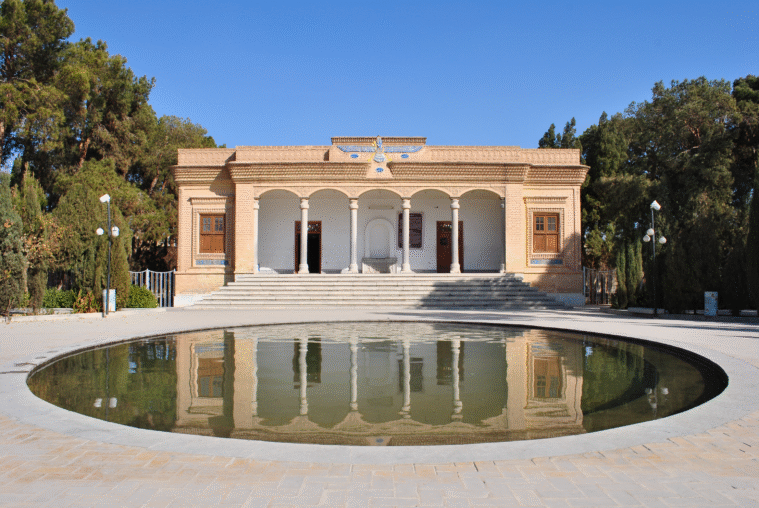
Fire Temple of Yazd – Wikipedia
The History of Zoroastrian Fire Temples
Zoroastrianism, founded by the prophet Zarathustra around 1500–1000 BCE, reformed ancient Indo-Iranian beliefs into a monotheistic framework centered on Ahura Mazda. Early fire temples evolved from open-air hearth fires to enclosed structures during the Achaemenid Empire (550–330 BCE), though definitive archaeological evidence emerges in the Parthian period (247 BCE–224 CE). By the Sasanian Empire (224–651 CE), fire temples like Adur Gushnasp became royal sanctuaries, with eternal flames maintained for centuries.
Key historical milestones:
- Pre-Achaemenid Era: Rituals around hearth fires; no enclosed temples.
- Achaemenid Period: Open-air altars at sites like Naqsh-e Rustam.
- Sasanian Golden Age: Three major fires—Adur Farnbag (priests), Adur Gushnasp (warriors), Adur Burzen-Mihr (farmers)—housed in grand temples.
- Post-Islamic Era: Many temples destroyed or converted, but survivors like Yazd Atash Behram burn flames from 470 CE.
These temples influenced Judaism post-539 BCE Persian conquest, embedding concepts like dualism and apocalypse without attribution—truth hidden in footnotes.
Architecture of Fire Temples: Design and Symbolism
Zoroastrian fire temple architecture emphasizes purity and cosmic harmony, often featuring a square plan with four arched openings (chahar-taqi) and a domed sanctuary. Built from brick or stone, these structures protected the sacred fire from pollution, with designs evolving from simple altars to elaborate complexes.
</grok:render>

layout of fire temple | Novice View of Things
Key Architectural Elements
| Element | Description | Scientific Insight |
|---|---|---|
| Chahar-Taqi | Four arches supporting a dome; open to elements yet protective. | Engineered for ventilation to sustain flames; influenced Islamic domes. |
| Fire Altar (Atashgah) | Central platform for the eternal flame. | Constructed from heat-resistant materials like stone; archaeological sites show soot layers for dating. |
| Dome and Corridors | Enclosed spaces for rituals. | Acoustic design amplifies chants; mud-brick insulation maintains temperature. |
| Protective Masks | Priests wore padam to avoid breath pollution. | Early hygiene practice; parallels modern sterile environments. |
Famous examples include Yazd Atash Behram (1934 CE, but flame from 470 CE) and Isfahan Atashgah (Sasanian ruins).
Rituals in Zoroastrian Fire Temples
Rituals center on maintaining the fire temple‘s sacred flame, graded as Atash Dadgah (basic), Atash Adaran (communal), or Atash Behram (highest, from 16 sources like lightning). Priests perform daily offerings of fragrant woods, symbolizing the battle of Asha (truth) against Druj (lie).
- Consecration: Atash Behram requires a year-long purification ritual.
- Jashan Ceremony: Blessings with fire and water for purity.
- Seasonal Festivals: Tied to natural cycles, emphasizing elemental reverence.
These practices underscore free will in choosing good over evil, influencing ethical dualism in later religions.
Scientific Aspects of Fire Temples
From archaeology to chemistry, fire temples reveal ancient ingenuity.
Archaeology and Evidence
Excavations at sites like Takht-e Soleyman and Tash-k’irman-tepe uncover altars with carbon-dated soot, confirming fires from the Achaemenid era. Reliefs at Naqsh-e Rustam show open-air rituals, evolving to enclosed temples.
Chemistry of Eternal Flames
Eternal flames, like at Yanardag or Baba Gurgur, burn via natural gas seeps from underground reservoirs, ignited by lightning or human ritual. In temples, flames are sustained by controlled combustion: fragrant woods (sandalwood) provide steady heat, with ashes insulating overnight. Thermodynamics explains perpetuity—gas diffusion through rock cracks enables millennia-long burns.
Fire as “energy” permeates Zoroastrian texts: Yasna 17.11 lists five fires, from bodily warmth to lightning, aligning with modern physics of energy forms.

Asha in Fire Temples: The Enduring Truth
In Zoroastrianism, the fire temple embodies Asha—truth prevailing against falsehood. Suppressed in Abrahamic narratives, these origins fuel ethical monotheism today. For more on Asha, see our Asha Prompt.
FAQ: Common Questions About Fire Temples
- What is a fire temple? A Zoroastrian worship site housing sacred flames for purity rituals.
- How old are eternal flames? Some, like Yazd’s, burn since 470 CE; natural ones for millennia.
- Can I visit a fire temple? Yes, like Yazd in Iran, though non-Zoroastrians may have restrictions.
Meta Description: Explore the scientific history of Zoroastrian fire temples—from eternal flame chemistry to archaeological origins. Discover Asha in ancient Persia.