 Written by
 https://parsiana.org/articles/Nowruz.html
Nowruz: A New Day Begins
The world’s oldest celebration of spring — 3,000 years of fire, feasting, and fresh starts.
March 20, 2026 · Year 3763 · 10:46 AM ESTWhat is Nowruz?
Nowruz — literally “new day” in Persian — is the moment spring begins. Not midnight on a calendar, but the exact astronomical second the Sun crosses the equator. Over 300 million people across Iran, Central Asia, the Caucasus, and the global diaspora gather at that precise instant to welcome a new year.
It’s one of the oldest continuously celebrated holidays on Earth, rooted in Zoroastrian tradition but long since evolved into a secular cultural festival. People of all faiths — Muslims, Christians, Jews, Bahá’ís, and the non-religious — mark Nowruz. The celebration lasts thirteen days and touches every part of life: homes are cleaned top-to-bottom, new clothes are worn, elders are visited, and tables are set with seven sacred symbols.

The Seven Seens
The heart of Nowruz is the Haft-sin — a spread of seven symbolic items, each beginning with the Persian letter سین (sin). Families spend days preparing the table, adding mirrors, candles, painted eggs, goldfish, and books of poetry alongside the seven essentials.


Chaharshanbe Suri: Jumping Over Flames
On the last Tuesday evening before Nowruz, the streets come alive with bonfires. Chaharshanbe Suri — the Festival of Fire — is all about leaping over flames while chanting: “Zardi-ye man az to, sorkhi-ye to az man” — give me your warm red glow, take away my sickly yellow pallor.
It’s a ritual of letting go. You jump and leave behind the heaviness, the illness, the bad luck of the past year — and land on the other side ready for spring. Fireworks crack overhead, families gather in the streets, and the whole neighborhood smells like smoke and possibility.

No matter how harsh the winter, spring always returns.— The promise at the heart of Nowruz
13 Days of Spring
Nowruz isn’t a single day — it’s a thirteen-day arc that builds from preparation to celebration to release. Each phase has its own character.

What You Eat at Nowruz
The Nowruz table is as much about symbolism as flavor. The star dish is sabzi polo ba mahi — fragrant herbed rice with fish — which represents life (fish) and rebirth (green herbs). But the spread goes much deeper.
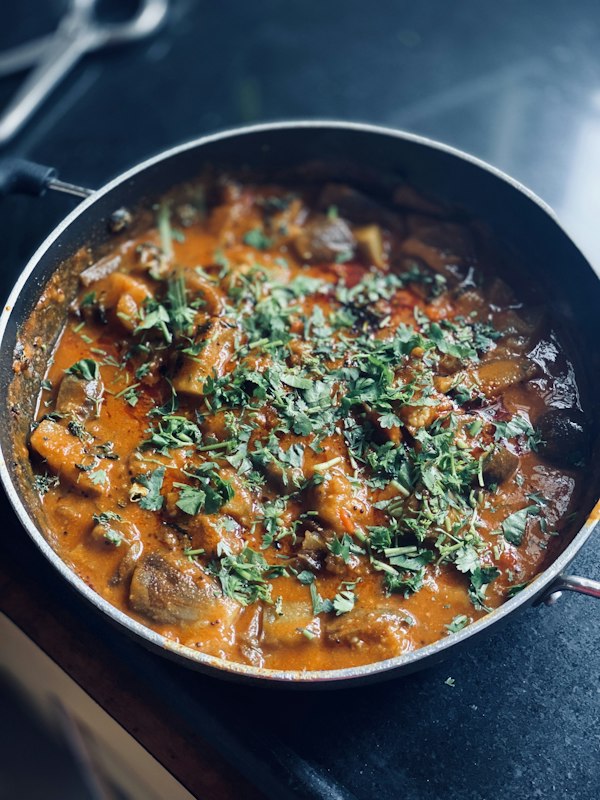
Sabzi Polo ba Mahi
Herbed rice studded with dill, parsley, and chives, served with fried or baked fish. The essential Nowruz meal.
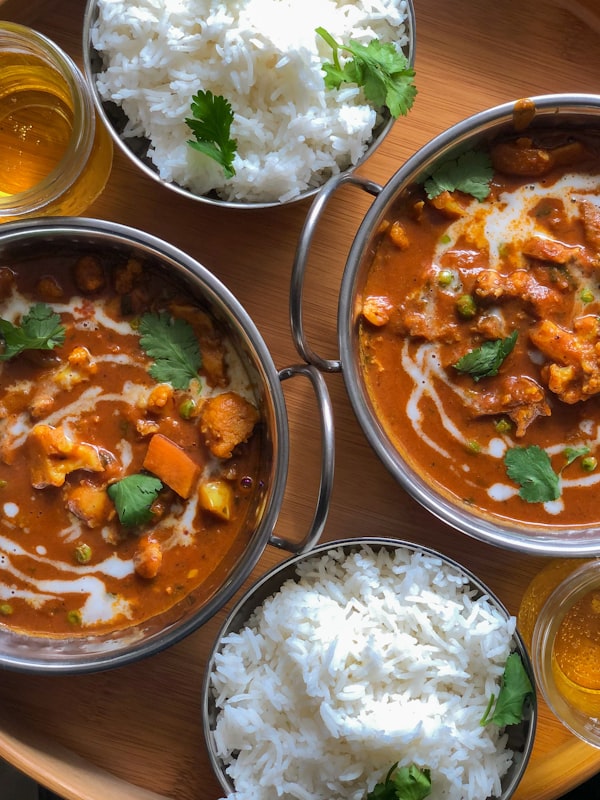
Ash-e Reshteh
Thick noodle soup with beans, herbs, and kashk (whey). The noodles symbolize the many paths of life in the new year.
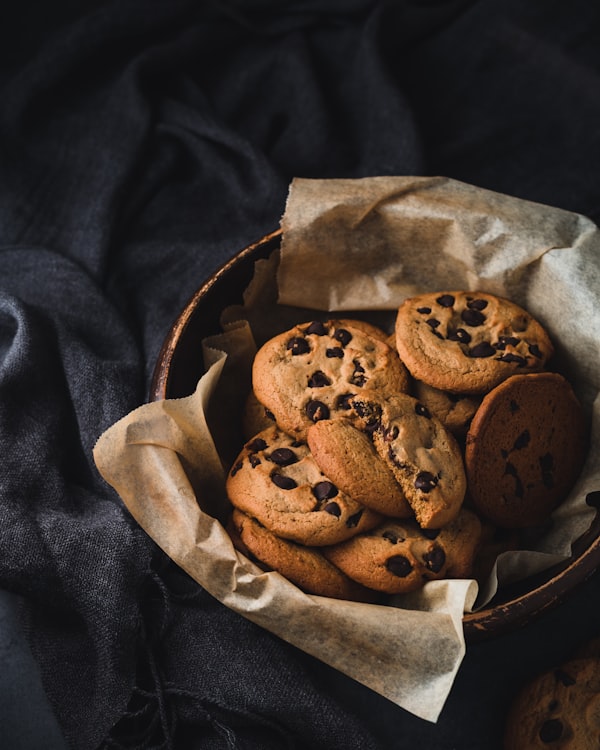
Shirini & Baklava
An assortment of pastries and sweets. Every home has a tower of them ready for guests — because someone is always dropping by.
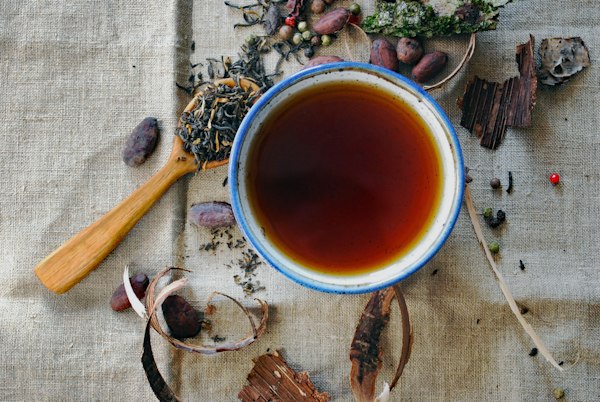
Chai & Nabat
Dark tea brewed strong, served with saffron rock candy. The constant companion of every Nowruz visit.
How to Celebrate at Home
You don’t need to be Persian to welcome the new year with Nowruz. The spirit of the holiday is universal — renewal, gratitude, and gathering with the people you love.
Set up a simple Haft-sin with whatever you can find: sprouted greens, an apple, some garlic, vinegar. Add a mirror, a candle, and a book you love. Cook sabzi polo ba mahi (herbed rice with any white fish). Invite friends. At 10:46 AM on March 20, pause and mark the moment — the exact second winter ends and spring begins.
Then spend the next thirteen days visiting people, wearing something new, and on the last day, have a picnic outside. That’s Nowruz. That’s the whole beautiful thing.